
Brick by Brick: Exploring Boston’s History
Second grade students have been immersed in an integrated study of Boston’s neighborhoods, exploring how geography, history, architecture, and design shape the city around us. Through stories, maps, photographs, and rich classroom discussions with co-teachers Molly Bacigalupo, Audrey Carpenter, and Jaz Nettrour, students discovered that many familiar Boston neighborhoods were once tidal flats and waterways that were gradually filled in with gravel and earth over time. The realization that bustling city streets once existed underwater sparked tremendous curiosity and wonder!
Inspired by their research, students began designing and constructing their own three-dimensional models of Boston neighborhoods. Using a wide range of materials to represent landforms, water, streets, and buildings, children brought their learning to life through hands-on exploration and creative problem-solving. This interdisciplinary project blends history, engineering, art, and spatial thinking while encouraging students to ask questions, test ideas, collaborate, and revise their work throughout the process. The completed neighborhood models are now proudly displayed in the second grade classroom.
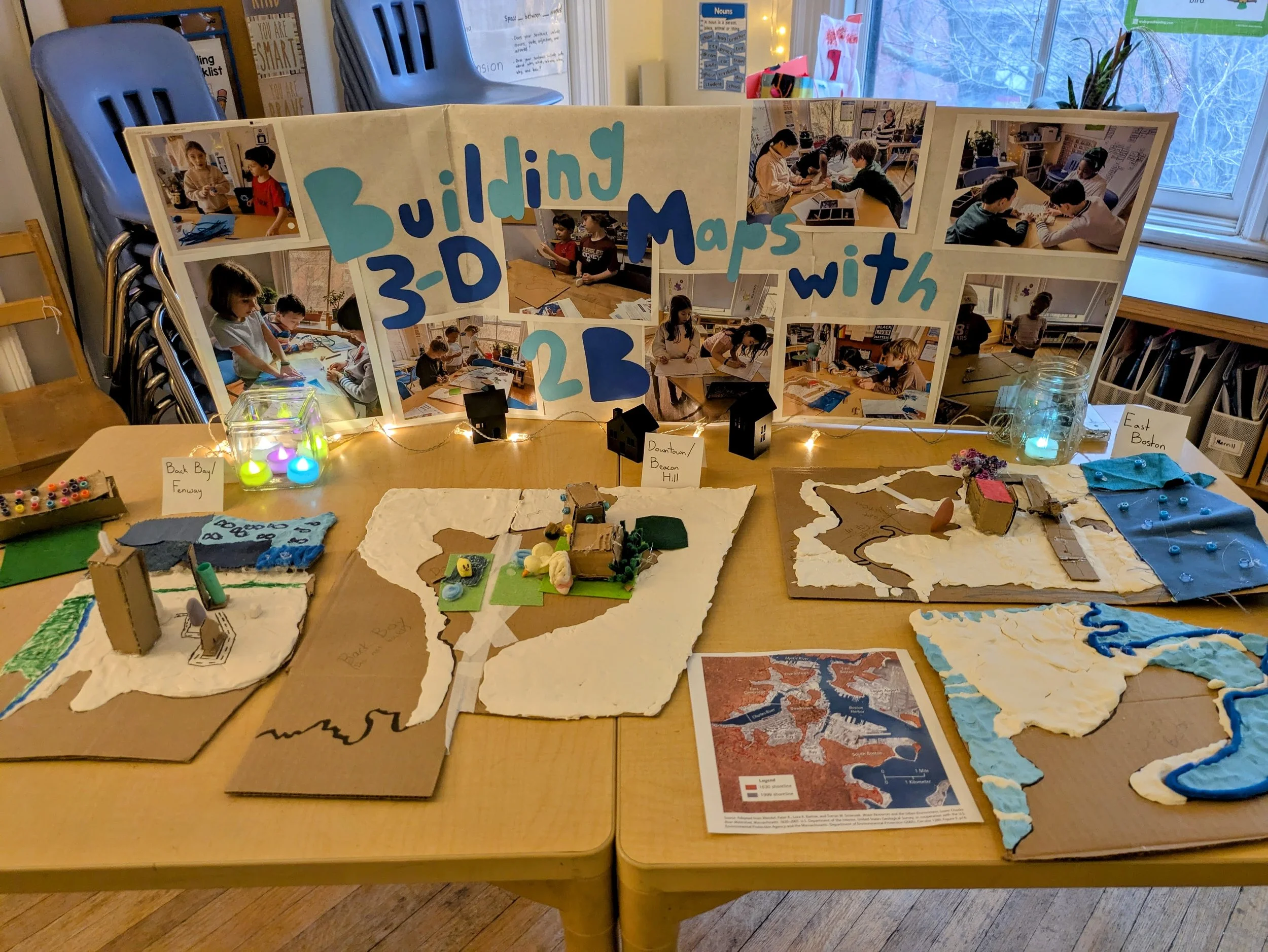
As students investigated the history of Beacon Hill more closely, they began noticing the important role bricks play throughout the neighborhood’s architecture, sidewalks, alleyways, and historic buildings. Their observations, theories, and questions naturally extended into Atelier work with Ms. Vicky, where children followed their growing interest in bricks, construction, and building techniques through open-ended, inquiry-driven exploration.
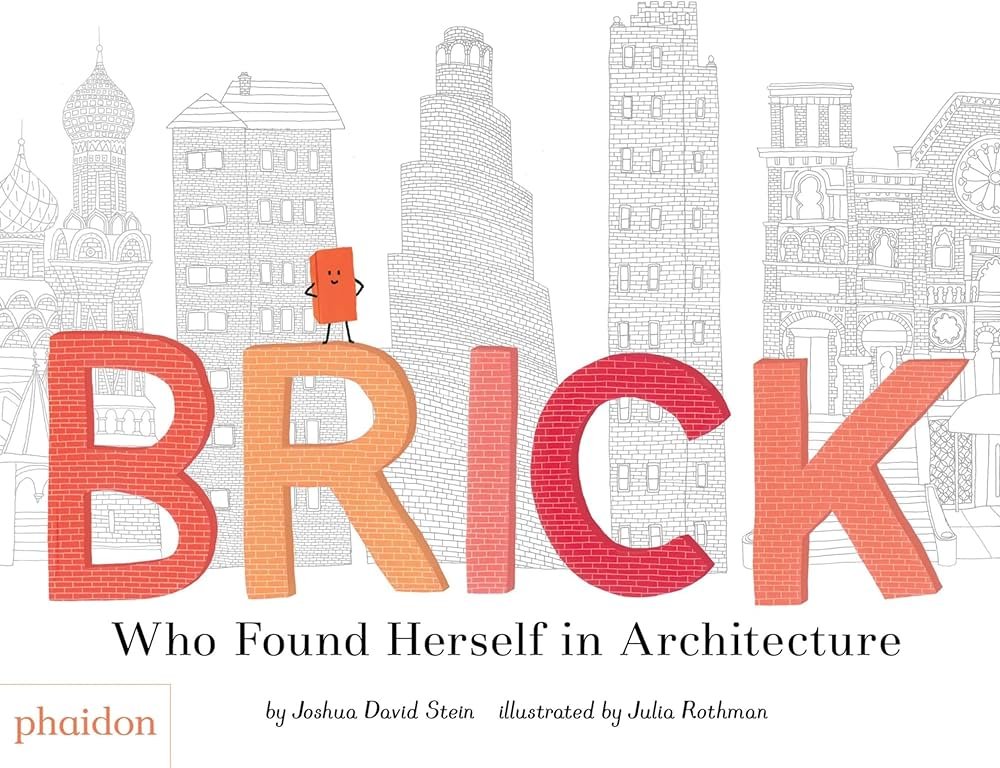
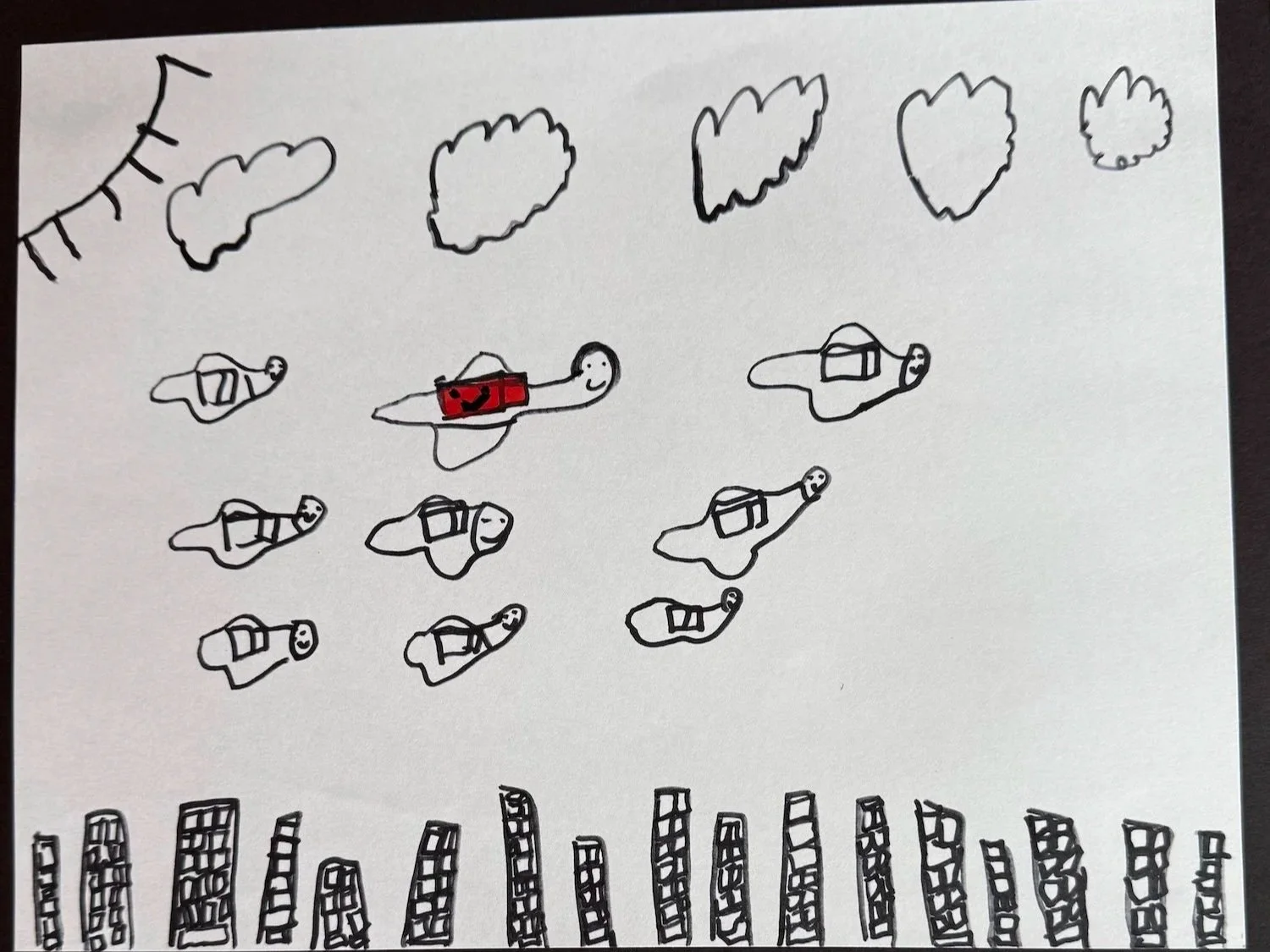
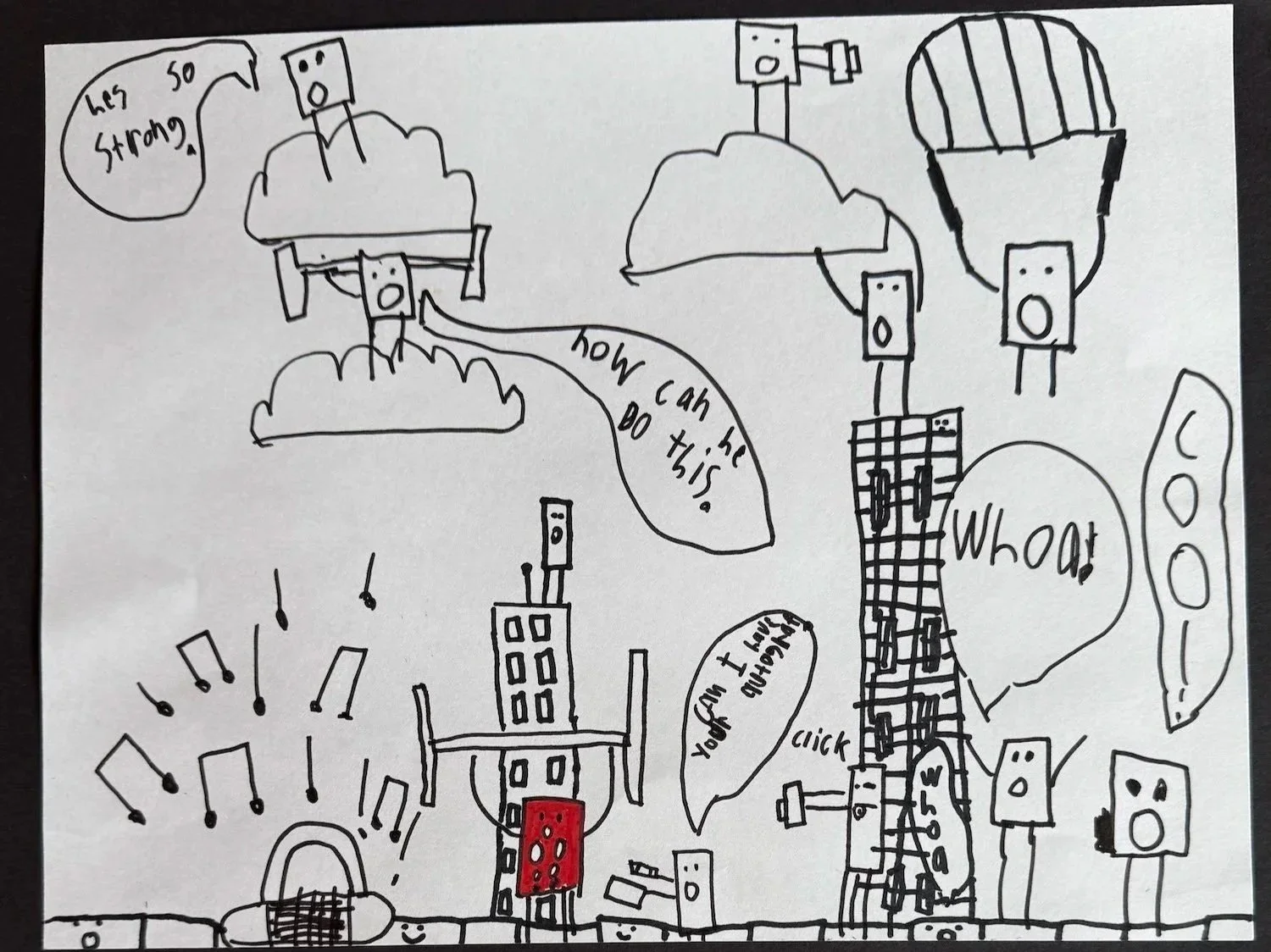
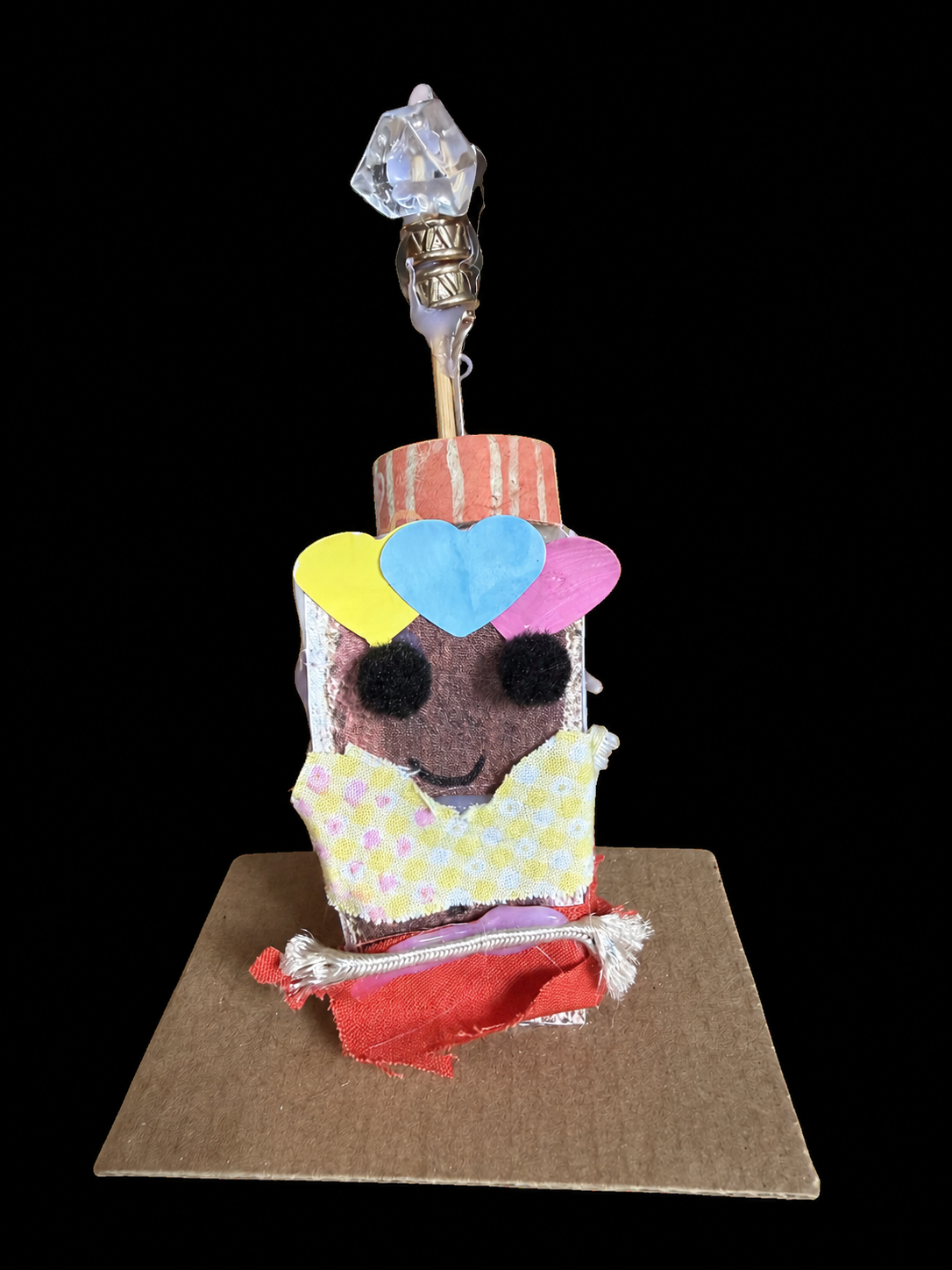
Inspired by the book Brick: Who Found Herself in Architecture by Joshua David Stein, students used their imagination to create their own “Brickies,” fun brick characters represented through drawings. Children developed stories and identities for their Brickies, imagining where they came from, where they belonged in the city, and who they were. Through storytelling and illustration, students explored the idea that even everyday materials can hold history, personality, and meaning.
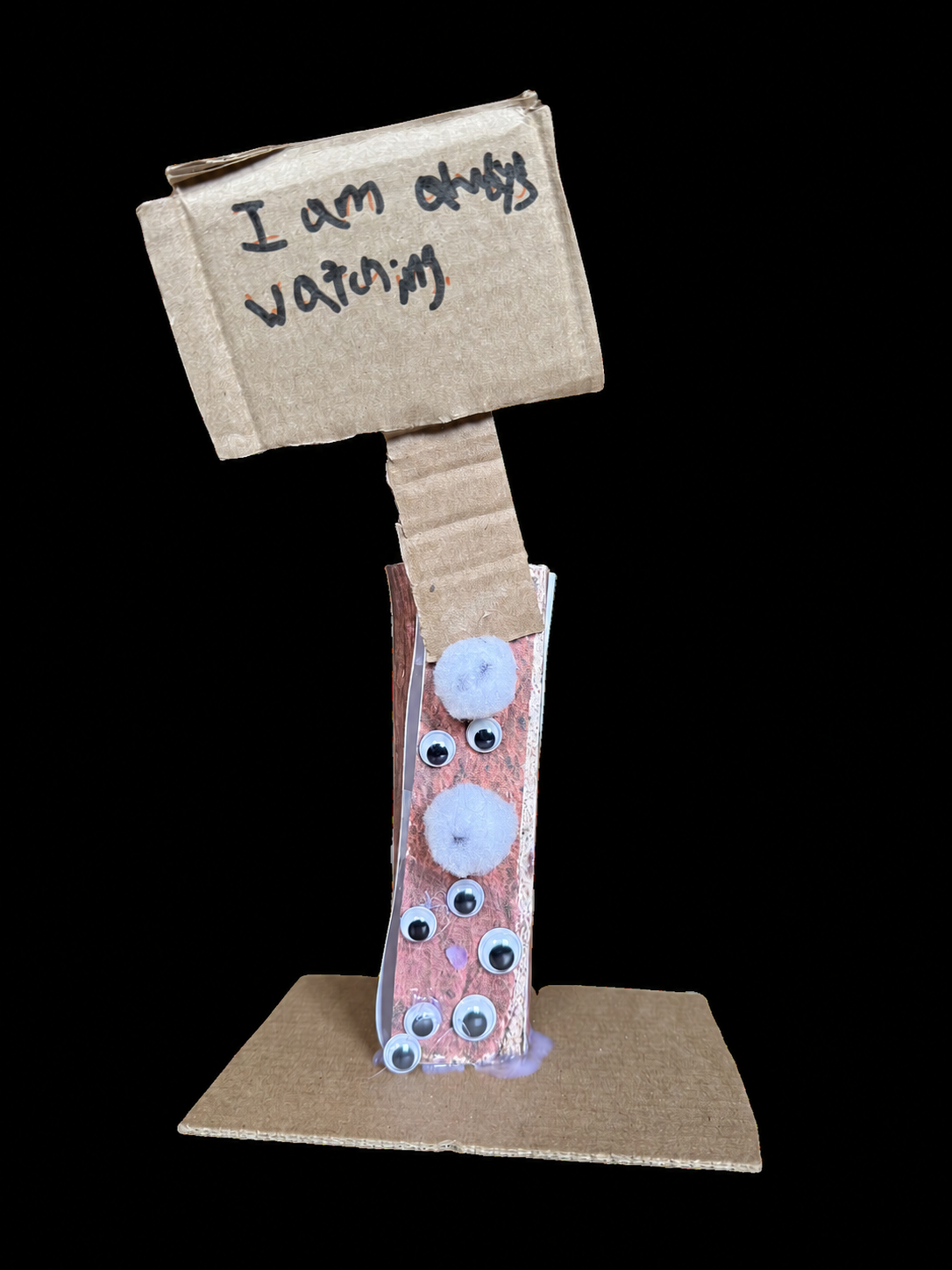
Students later extended their ideas into sculpture, transforming their Brickies into three-dimensional creations using a variety of loose parts and recycled materials from the Atelier. Children had fun experimenting with structure, texture, and composition while continuing to develop the unique personalities and stories of their characters.
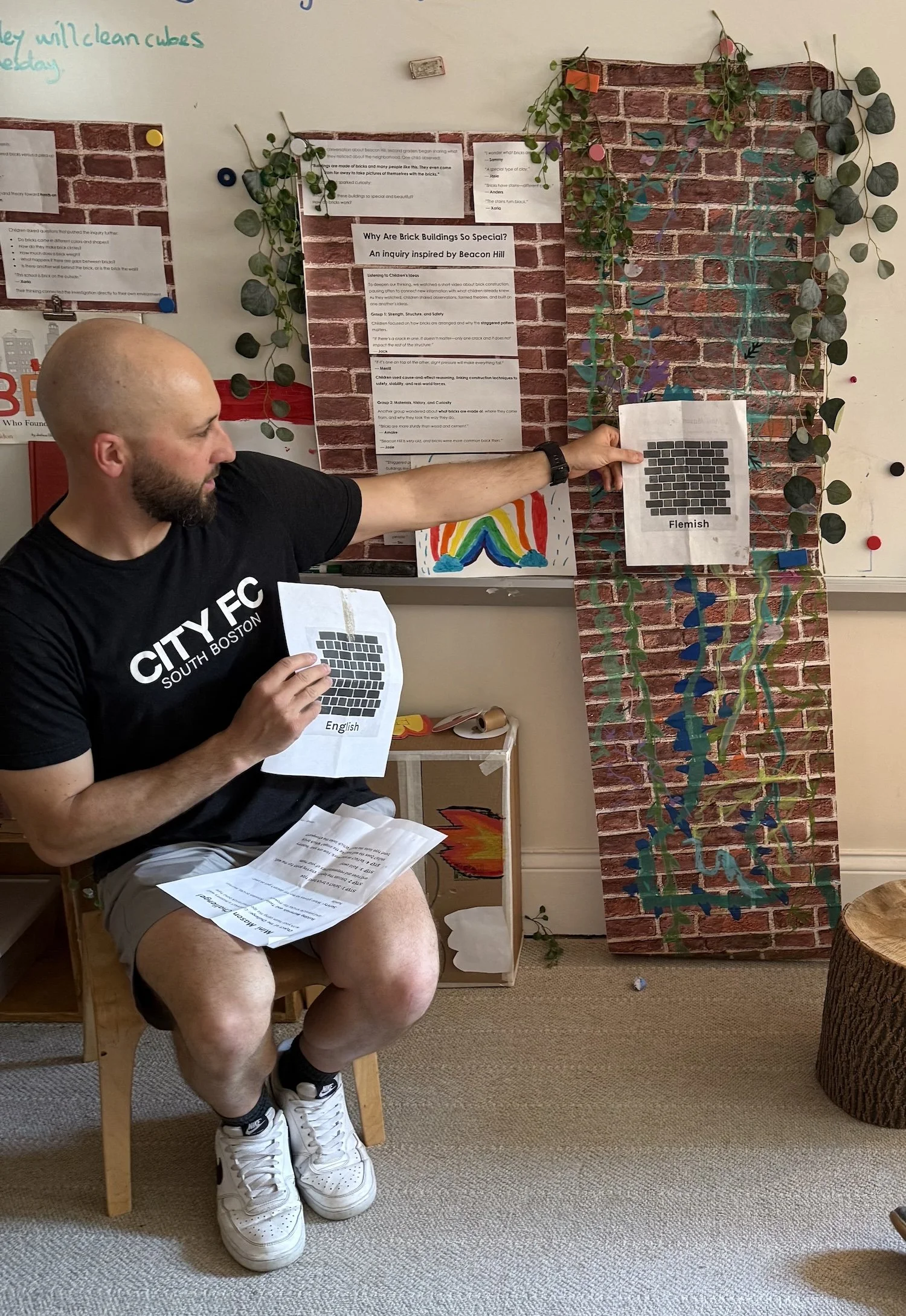
This week, students welcomed a special visitor – Sammy’s dad Ryan! – who generously shared materials and expertise to deepen the children’s understanding of masonry and construction.
After being introduced to four brick bonding patterns—English, Flemish, Running, and Stack bond—children spent time observing the different arrangements closely. They then moved into partner work, where they began planning their own approaches to building, revisiting the patterns together, sharing ideas, and discussing how different configurations might affect structure, strength, and design. As they worked, their observations naturally turned into theories, questions, and comparisons:
“They look like they’re doing different patterns.”
“This one looks stronger than that one.”
“It’s like they’re making designs on the wall.”
“Some bricks are half and some are full here.”
“Who decides which pattern to use?”
“Which one takes the longest to build?”
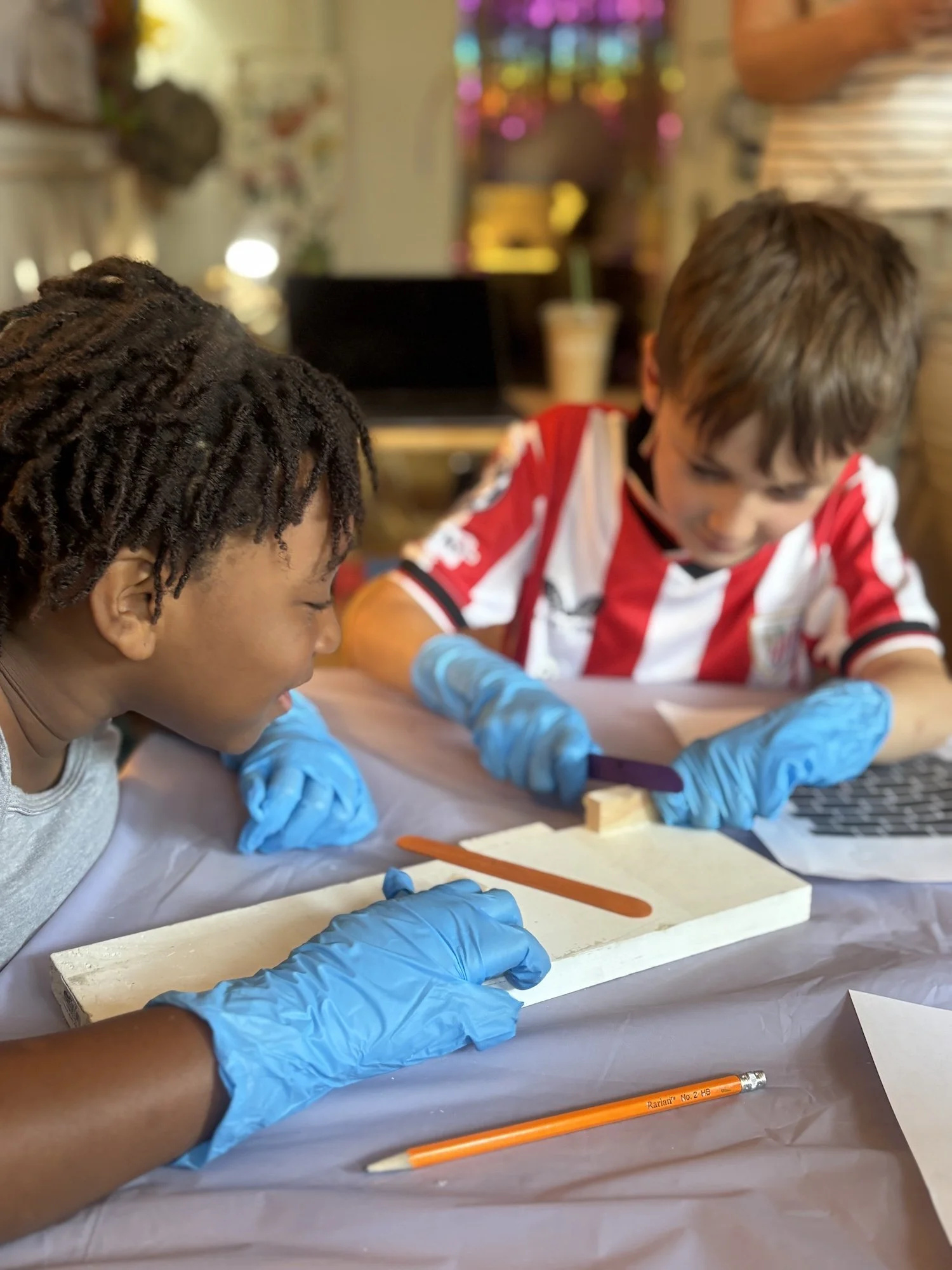
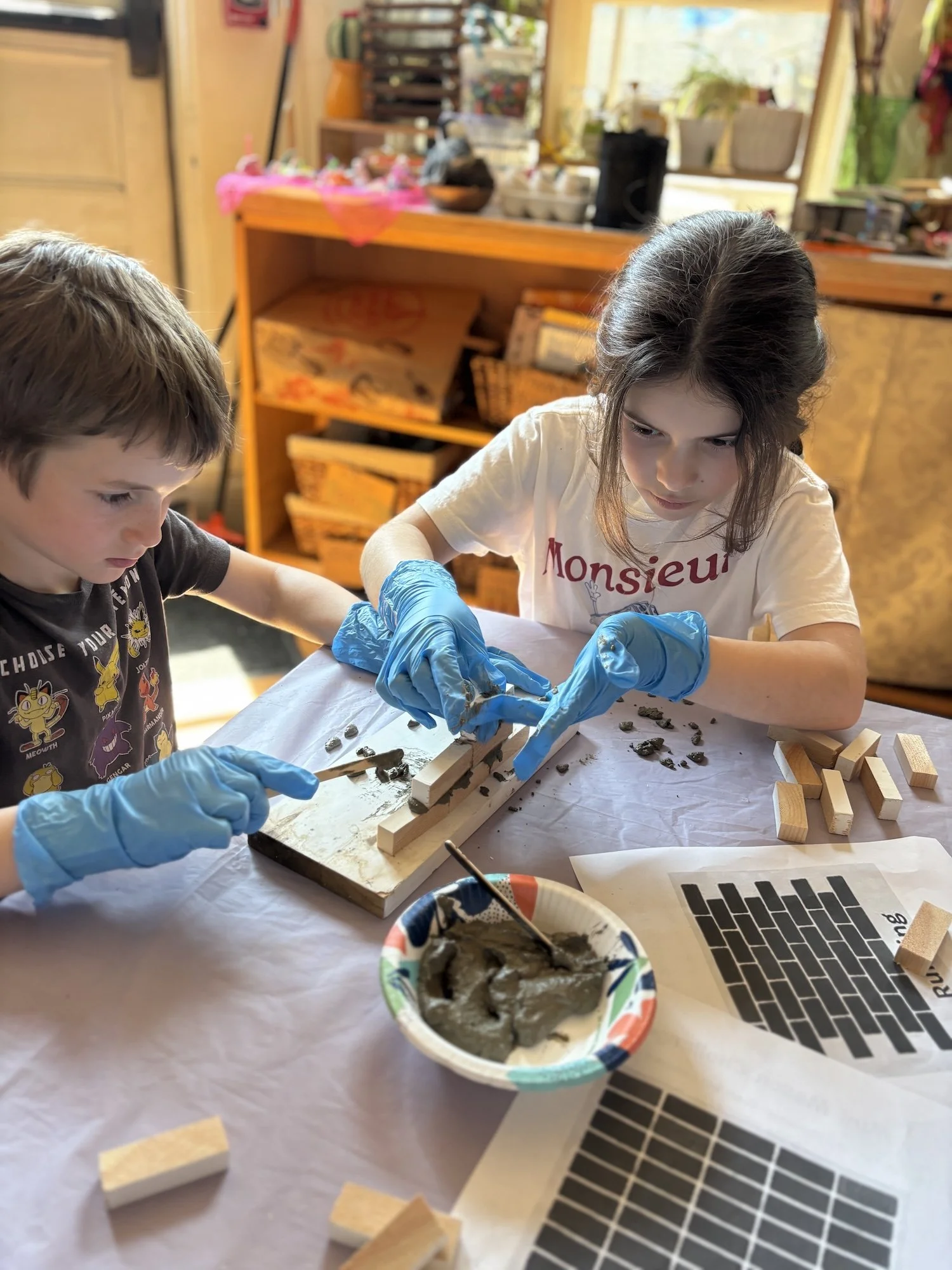
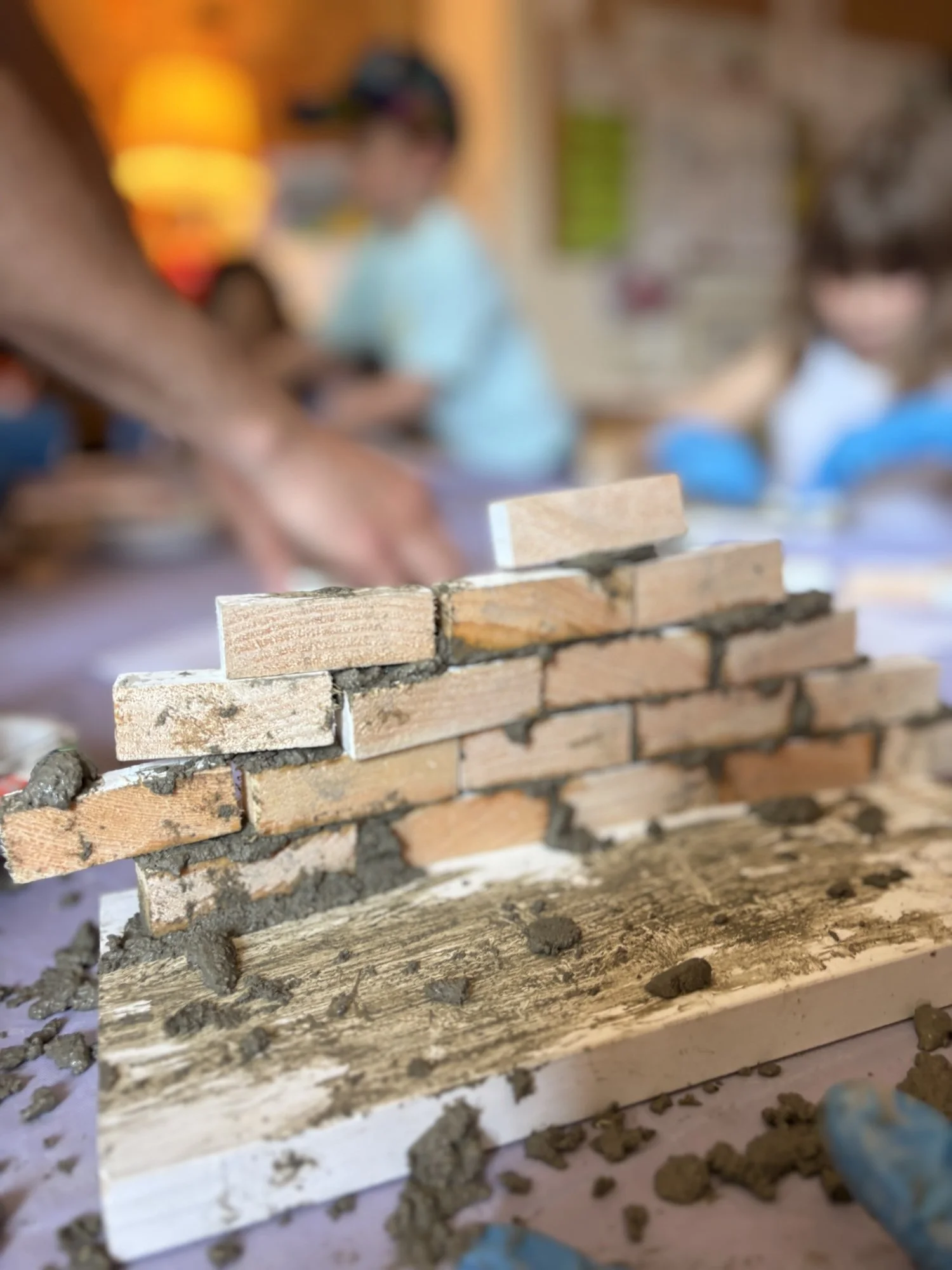
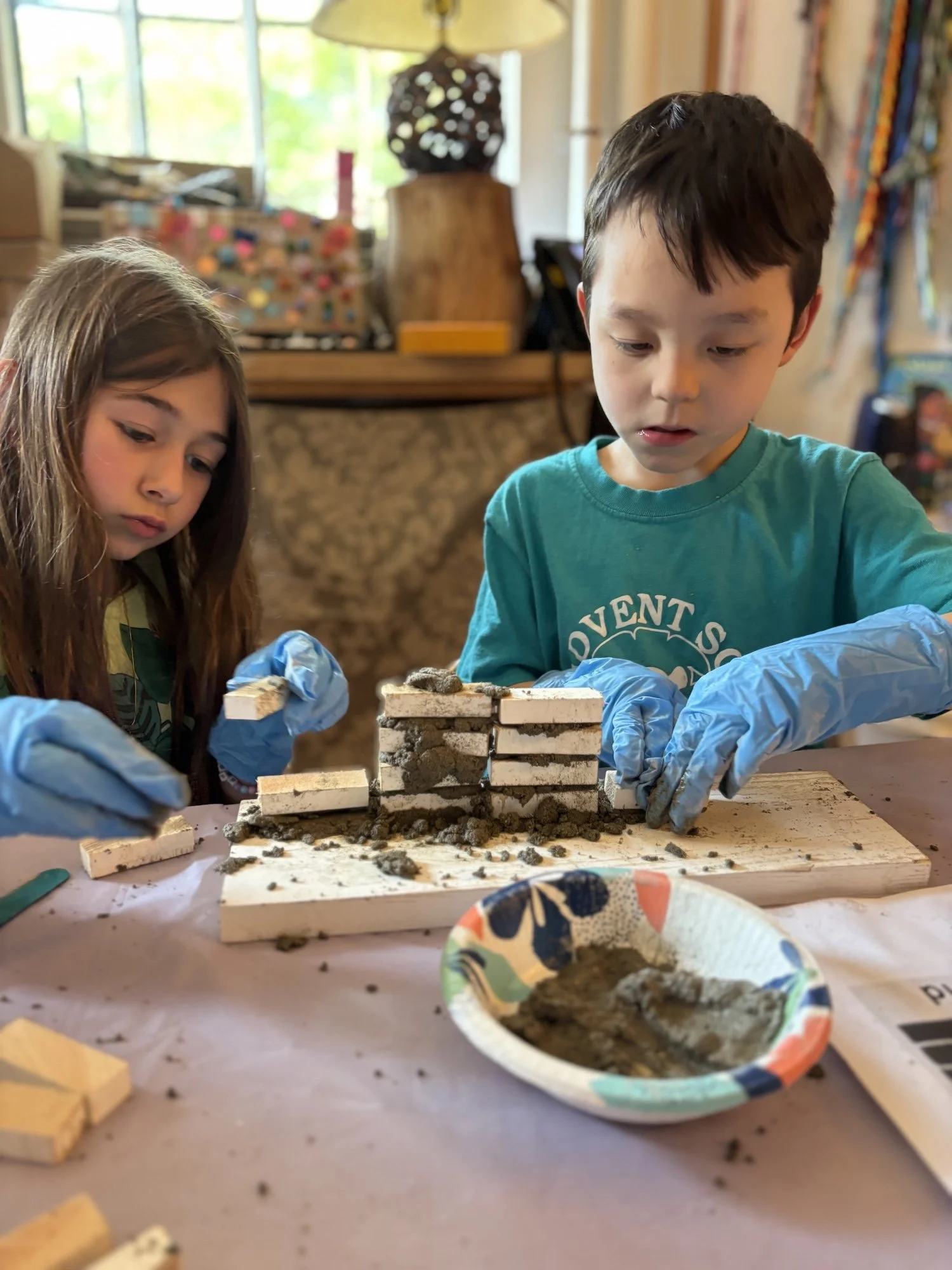
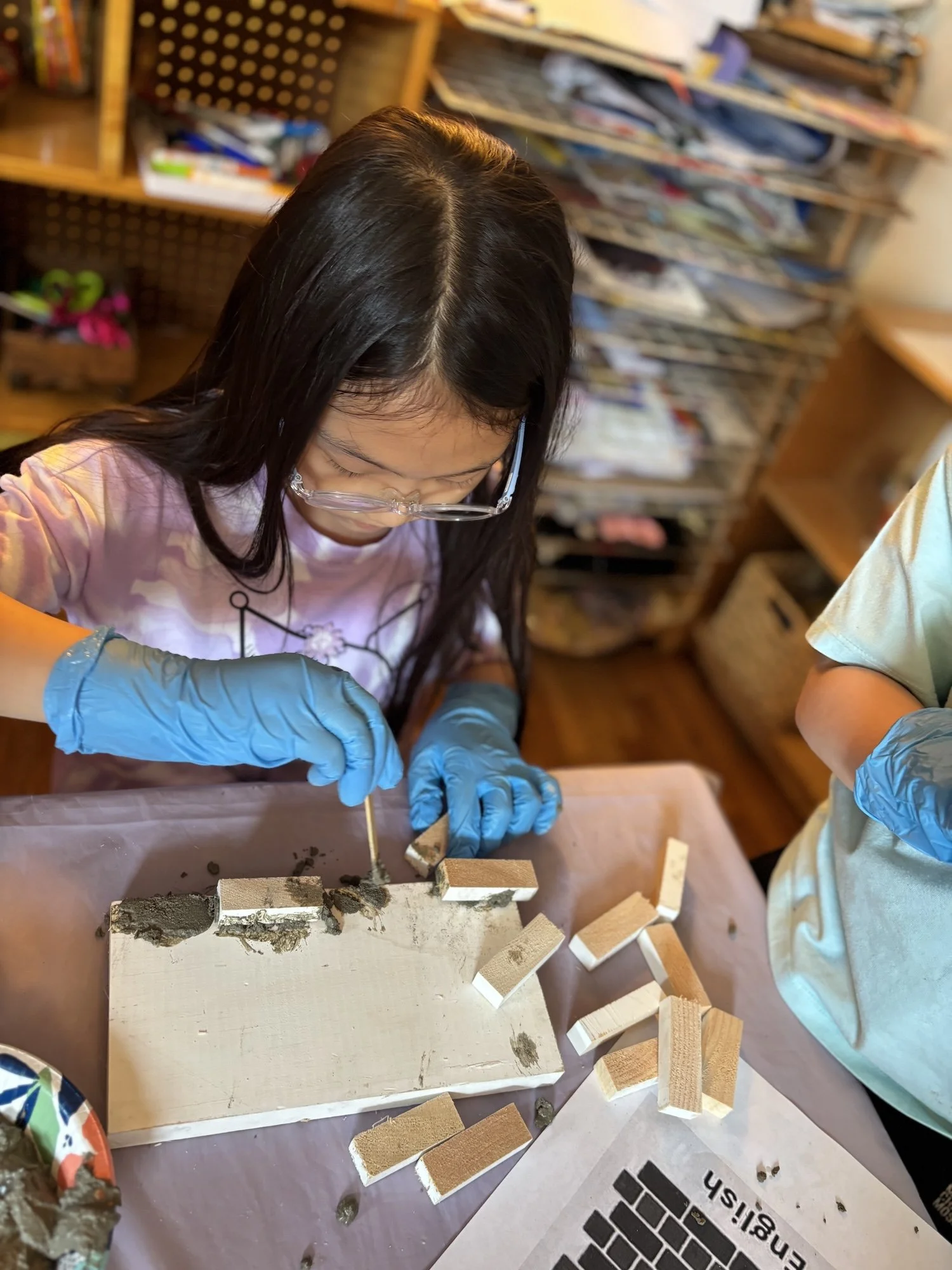
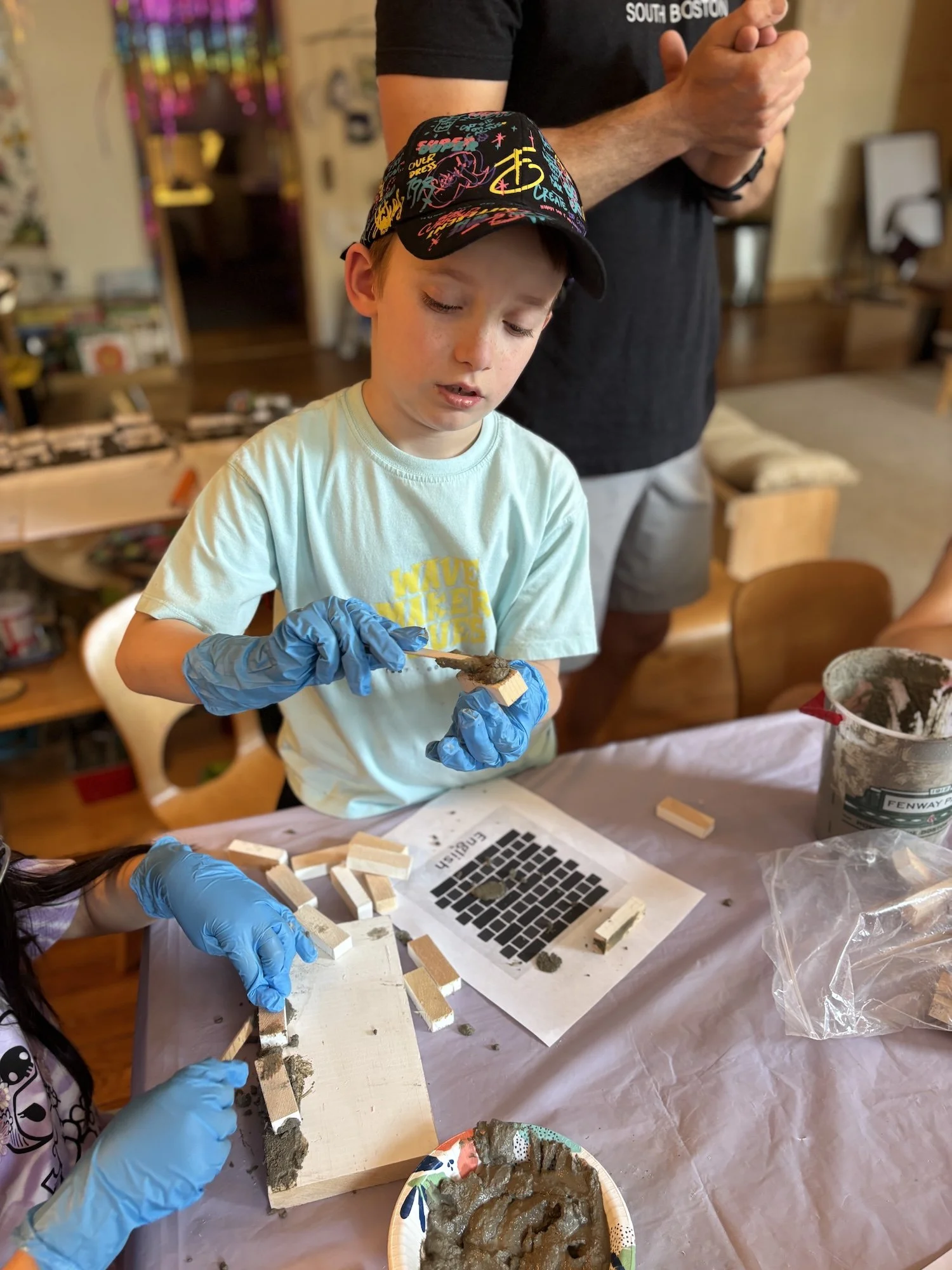
During the hands-on Mini Mason Challenge, students mixed their own mortar and used wooden bricks to collaboratively construct miniature brick walls. They explored several traditional bricklaying patterns, experimented with how arrangement impacts both strength and design, and worked together to engineer stable structures inspired by the techniques they had studied.
Throughout the investigation, students engaged in the kind of collaborative learning that is central to a Reggio-inspired classroom: observing closely, exchanging ideas, testing theories, solving problems together, and learning through experimentation and reflection. Like architects, engineers, builders, and storytellers, they discovered how curiosity, collaboration, imagination, and hands-on exploration can lead to meaningful and joyful learning experiences.
Students have shared strong interest in continuing this investigation and are eager to revisit the neighborhood for a brick bond scavenger hunt, where they hope to identify and document the different bricklaying patterns they discover throughout Beacon Hill!
Another visitor who heard about our brick study suggested that students learn about the historic “A Brick a Day Church” in Montgomery, Alabama, a church built during the Civil Rights Movement through the collective efforts of community members who each contributed a brick a day to help construct the building. This week, students will begin learning about this powerful story and exploring how bricks can also represent community, resilience, history, and collective action.