
Student stories, student voices
When we saw a duck, we threw some bread. Then we saw something adorable happen!! We saw a mommy duck and a bunch of little babies!
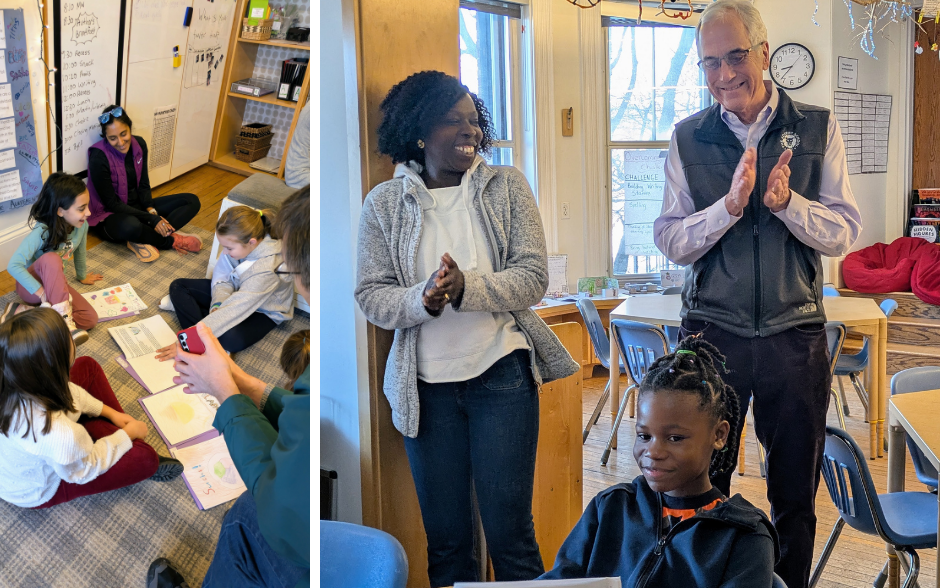
Third Graders recently gathered in small groups to share their published personal narrative stories—joyful celebrations of meaningful moments in their lives. From family vacations and beloved pets to favorite hobbies and treasured days, students selected experiences that mattered deeply to them. In true Reggio-inspired fashion, these stories reflected the belief that children’s lived experiences are worthy of study, reflection, and celebration.
Supported by teachers Holly Hennick-Marroquín, Bridget Parker, and Emily Simon, Third Graders moved through every stage of publishing and the writing process. They began by brainstorming significant moments from their own lives, carefully planning clear beginnings, middles, and ends. They drafted, revised, and edited—both independently and in partnership with teachers—before publishing, illustrating, and composing thoughtful “About the Author” sections. Students focused on crafting strong narrative structure, incorporating descriptive language, and weaving in dialogue to bring their stories to life. This process honored writing as both craft and communication, reinforcing that children are capable authors with important stories to tell.
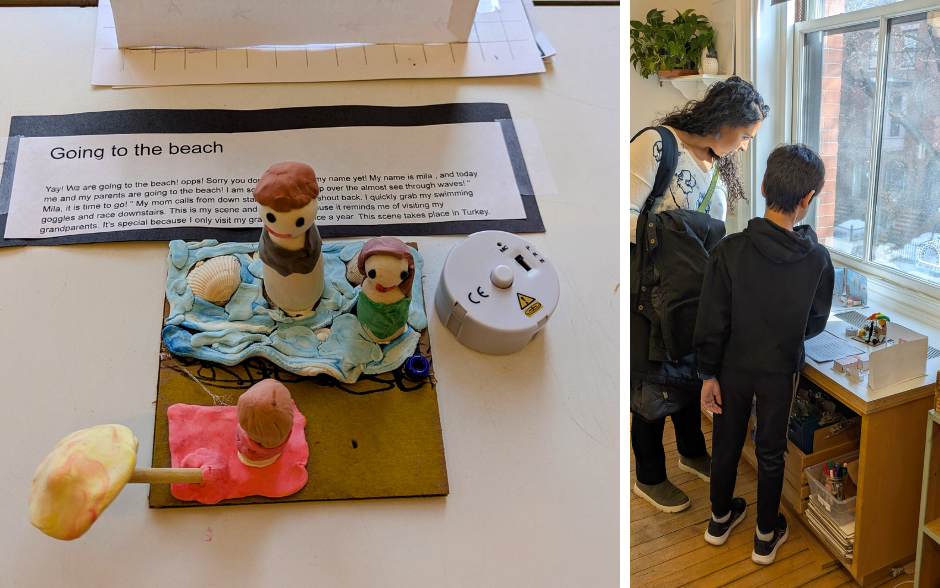
During R&I Integration time with Atelierista Ms. Stephanie, students explored storytelling through multiple expressive languages—a hallmark of Reggio-inspired learning. Extending the classroom into the city of Boston, students visited the Institute of Contemporary Art, where they observed how artists communicate identity, perspective, and story through visual media. Inspired by these works, students were invited to create a three-dimensional “Special Place” using loose parts and Model Magic. Each piece represented a meaningful space connected to family, friendships, traditions, or treasured memories.
To deepen their reflection, students wrote and typed Artist Statements explaining the intention and story behind their creations. They also recorded themselves reading these statements, increasing accessibility and allowing their voices to become part of the exhibit. This integration of art, literacy, technology, and personal narrative honored the many languages through which children express understanding.
This learning culminated in a joyful Author’s Breakfast, where families joined us to listen to stories, explore the projects, and celebrate the children’s work. It was a beautiful reminder of the power of authentic audience, community connection, and honoring children as capable creators, storytellers, and thinkers.